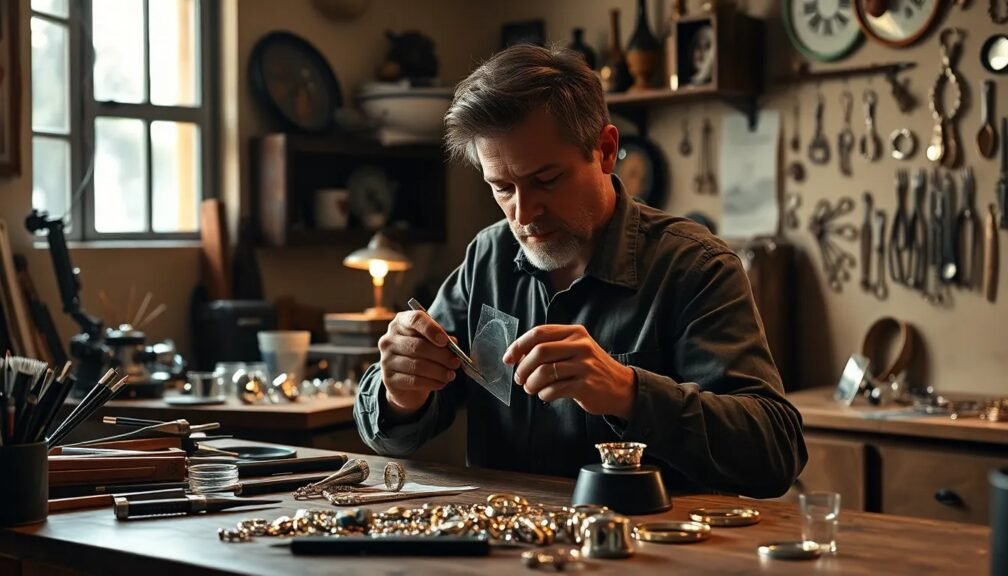
Jewelry isn’t just an accessory; it’s a timeless expression of art, history, and personal identity. At the heart of it all lies the goldsmith—the skilled artisan who hammers, molds, and crafts precious metals into exquisite pieces that often tell a story. In this comprehensive exploration of the goldsmithing craft, we’ll dive deep into the art of jewelry making, the essential tools, techniques, and tips for aspiring goldsmiths.
The Fascinating History of Goldsmithing
Goldsmithing dates back thousands of years, making it one of the oldest forms of craftsmanship in human history. Ancient civilizations were drawn to gold for its rarity, beauty, and resistance to corrosion, leading to the creation of stunning jewelry worn by the elite and used in religious ceremonies. Civilizations like the Egyptians, Greeks, and Romans showcased advanced goldsmithing techniques, creating intricate designs that have endured through the ages.
In medieval Europe, goldsmiths were highly regarded, often working closely with monarchs and nobility. This era saw the emergence of guilds, where knowledge and skills were passed down through apprenticeships, laying the foundation for modern goldsmithing. Whether it’s traditional methods or contemporary designs, the goldsmith’s craft continues to evolve, blending time-honored techniques with innovative ideas.
The Role of a Goldsmith
A goldsmith is more than just a metalworker; they are artists, designers, and problem solvers. Their primary role involves:
-
Designing Jewelry: A goldsmith begins with sketches and models, turning abstract ideas into tangible designs that reflect a client’s vision.
-
Metalworking: Using tools and techniques, goldsmiths manipulate metals, often combining gold with other materials like silver or gemstones to create stunning jewelry.
-
Stone Setting: An essential skill for many goldsmiths, stone setting involves securing gemstones into a metal framework, enhancing the beauty and durability of the piece.
-
Repairs and Restoration: Goldsmiths often engage in repairing and restoring damaged jewelry, ensuring that each piece remains a cherished heirloom.
Understanding this multifaceted role provides insight into the dedication and artistry involved in creating exquisite jewelry.
Essential Tools for Goldsmithing
A well-equipped workshop is crucial for any goldsmith. Here are some essential tools every aspiring goldsmith should consider:
-
Workbench: A sturdy workbench provides a dedicated space for design and fabrication.
-
Hammers and Mallets: Used for shaping and texturing metal, different hammers provide varying results, from delicate peening to heavy shaping.
-
Saws: A jeweler’s saw is essential for cutting intricate shapes in metal.
-
Files and Rasps: These are necessary for refining edges and creating smooth surfaces.
-
Tumbler: Used for polishing jewelry, tumblers can enhance shine and remove any surface imperfections.
-
Pliers and Tweezers: Essential for manipulating small components and gemstones.
-
Kiln or Torch: For melting metals and alloying different materials, a reliable torch or kiln is vital.
-
Safety Gear: Protecting oneself with gloves, goggles, and ear protection is fundamental while working with tools and materials.
Mastering the use of these tools is crucial for any aspiring goldsmith, as they provide the foundational skills needed for the craft.
Techniques Every Goldsmith Should Learn
The art of goldsmithing encompasses several techniques, each adding to the final piece’s complexity and beauty. Here are some foundational techniques every goldsmith should master:
1. Soldering
Soldering involves joining two pieces of metal together using a filler material. This technique is crucial for creating complex designs, as it allows for connections between various components of a piece.
2. Casting
Casting involves pouring molten metal into a mold, allowing for intricate designs that may be challenging to achieve through other methods. This is often used for creating detailed rings, pendants, and sculptures.
3. Forging
Forging is the process of shaping metal through hammering or pressing. This technique enhances metal strength and allows for the creation of unique textures that can significantly improve a piece’s aesthetic.
4. Engraving
Engraving is the art of carving designs or inscriptions onto the surface of the metal. This technique adds personalization and detail, making each piece unique and special.
5. Polishing
Once the piece is complete, polishing ensures that the finish is smooth and shiny. Techniques can vary depending on the metal used but often involve compounds and polishing wheels for a high-gloss finish.
Mastering these techniques will not only enhance a goldsmith’s ability to create stunning jewelry but also instill confidence in their craft.
The Future of Goldsmithing
As we move into an era of innovation and sustainability, the goldsmithing industry is evolving rapidly. Eco-friendly practices are becoming more prevalent, with many artisans opting for recycled metals and ethically sourced gemstones. The rise of technology has also made its mark; techniques such as 3D printing are gaining popularity, enabling designers to push boundaries and create more intricate designs than ever before.
How to Get Started as a Goldsmith
If you’re inspired by the art of goldsmithing and want to embark on a journey of jewelry making, here are some actionable steps to get started:
-
Research and Learn: Initially, educate yourself about goldsmithing through books, online resources, and workshops. Many institutions offer courses tailored to beginners.
-
Enroll in Classes: Find local classes or online courses where experienced goldsmiths can guide you through the basics and advanced techniques.
-
Practice Regularly: As with any craft, practice is critical. Begin with simple projects and gradually increase complexity as your skills develop.
-
Build a Portfolio: Document your designs and creations. A portfolio showcases your skills and can attract potential clients or employers.
-
Join a Community: Engage with other goldsmiths and jewelry makers through forums, social media, and local clubs. Networking provides support and inspiration.
-
Stay Updated: Keep an eye on trends within the jewelry industry. Attend trade shows and exhibitions to witness innovation firsthand.
Conclusion
Goldsmithing is a beautiful blend of art and craftsmanship, allowing artisans to create pieces that celebrate individuality and history. With the right tools, techniques, and mindset, anyone can embrace this rewarding journey. Whether you choose to pursue goldsmithing as a career or hobby, remember that each piece you create carries a piece of your story. With a commitment to learning and a passion for design, the realm of jewelry making awaits you. Dive in, create, and you may just discover your next passion as a goldsmith!