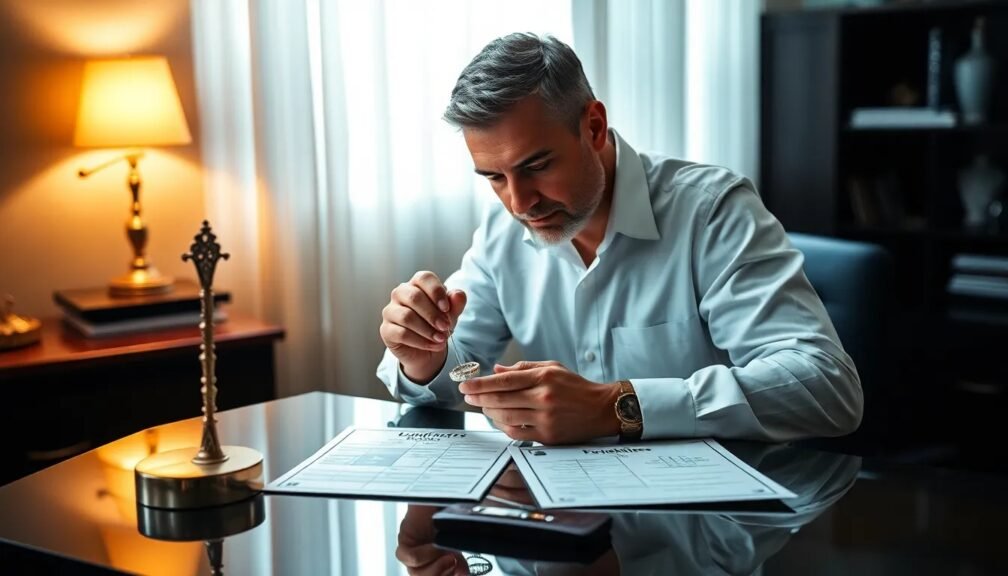
Jewelry holds not just monetary value but also emotional significance. Whether it’s a family heirloom, an engagement ring, or a treasured piece acquired during a special occasion, understanding the value of your jewelry through a professional jewelry appraisal is crucial. This article delves into the importance of jewelry appraisal, the processes involved, and what to expect from an appraisal service.
What is Jewelry Appraisal?
Jewelry appraisal is a professional evaluation of a piece of jewelry to determine its fair market value. This process involves a comprehensive examination of the item, considering various factors before assigning a precise value. Whether you’re looking to sell, insure, or simply understand your jewelry, a proper appraisal can guide your decisions effectively.
Why is Jewelry Appraisal Important?
Investing in a jewelry appraisal is more than just about knowing the value of your item. Here’s why it is significant:
-
Insurance Purposes
One of the primary reasons for getting a jewelry appraisal is for insurance. If your jewelry is lost or damaged, having an accurate appraisal ensures that you receive the correct compensation from your insurance provider. -
Resale Value
If you ever decide to sell your jewelry, a professional appraisal can help you understand its worth. This knowledge empowers you to negotiate effectively and avoid being underpaid. -
Estate Planning
In the event of a loved one’s passing, having your jewelry appraised can play a significant role in estate planning. Proper appraisal ensures that assets are divided fairly among heirs. -
Authenticity Verification
Jewelry appraisal can help verify the authenticity of your pieces. This includes identification of gemstones, metal quality, and craftsmanship. -
Condition Assessment
Appraisers will assess the condition of your jewelry, documenting any repairs or restorations needed, which can impact its overall value.
The Jewelry Appraisal Process
Understanding the jewelry appraisal process can help ease any anxiety you may have, especially if it’s your first time. Here’s a step-by-step breakdown:
1. Finding a Qualified Appraiser
Choosing a certified, experienced appraiser is crucial. Look for professionals accredited by recognized organizations like the American Society of Appraisers (ASA) or the National Association of Jewelry Appraisers (NAJA).
2. Initial Consultation
During the initial consultation, you’ll discuss the purpose of the appraisal, any specific concerns you may have, and provide any background information about the jewelry, including purchase receipts or previous appraisals.
3. In-depth Examination
The appraiser will conduct a thorough examination of the jewelry. This includes:
- Visual Inspection: Checking for any visible flaws and assessing overall construction.
- Gemstone Evaluation: Utilizing tools like loupe magnifiers, refractometers, and color grading systems to determine the quality and authenticity of gemstones.
- Metal Testing: Testing the metal’s purity through techniques such as acid testing or electronic testing.
4. Documentation
Following the examination, the appraiser will prepare a detailed appraisal document. This report typically includes:
- Description of the Item: Size, weight, and detailed specifications.
- Photographs: High-quality images to corroborate the description.
- Value Assessment: A detailed explanation of the assessed value, including market analysis.
5. Meeting and Explanation
Once the appraisal is complete, the appraiser will meet with you to discuss the findings. They will explain how they arrived at the value, addressing any questions you may have.
6. Record Keeping
Finally, it’s essential to keep a copy of the appraisal for your records. You might also consider updating your appraisal every few years, especially if there are market fluctuations.
Factors That Affect Jewelry Valuation
Several factors play a role in determining the value of your jewelry:
1. Quality of Materials
The quality of gemstones and metals significantly impacts value. For instance, diamonds are appraised based on the 4Cs: Carat, Cut, Clarity, and Color.
2. Brand and Designer
Designer pieces or well-known brands can command higher prices due to their reputation and the demand for their labels.
3. Historical Significance
Jewelry with historical importance or that belonged to famous individuals may have a higher value.
4. Market Trends
The market demand for specific styles or types of jewelry can fluctuate based on current trends, affecting appraisal values.
5. Condition
Well-maintained jewelry holds more value than pieces that show wear and tear.
Who Needs a Jewelry Appraisal?
While anyone with jewelry may benefit from an appraisal, specific groups need them more urgently:
-
Engaged Couples: Newly engaged individuals often seek appraisal services to insure their engagement rings.
-
Heirs and Executors: Those managing an estate may require appraisals for dividing assets fairly.
-
Collectors: Jewelry collectors need appraisals to keep track of their collection’s value.
-
Insurance Holders: Anyone insuring valuable jewelry should have a recent appraisal to ensure their coverage is adequate.
Common Myths About Jewelry Appraisal
-
Appraisals are Only for Sellers: Not true. Appraisals are essential for insurance and personal knowledge, even if you have no plans to sell.
-
All Appraisers are the Same: Quality can vary greatly. Always choose a qualified appraiser with good credentials and reviews.
-
Appraisals Are Expensive: While some appraisals can be costly, many jewelers offer affordable services, especially in high-demand periods.
Actionable Insights
-
Choose Wisely: Take your time to find a qualified appraiser who meets your specific needs, looking for accreditations and experience.
-
Prepare Information: Gather any relevant documents and background information about your jewelry before the appointment.
-
Ask Questions: Be proactive during the appraisal process—ask about any concerns or clarifications regarding your jewelry’s value.
-
Keep Records: Store the appraisal document in a safe place for future reference, and consider reappraising jewelry at regular intervals.
Conclusion
Jewelry appraisal goes beyond just determining the worth of your cherished pieces; it adds value to your understanding and helps protect your investments. By navigating the appraisal process effectively and recognizing its importance, you can ensure that your jewelry is adequately valued and safeguarded for the future. Whether for insurance purposes, resale potential, or estate planning, a professional jewelry appraisal is an invaluable resource for any jewelry owner.